
Medicare Advantage vs. Medigap. Which Is Right for You?
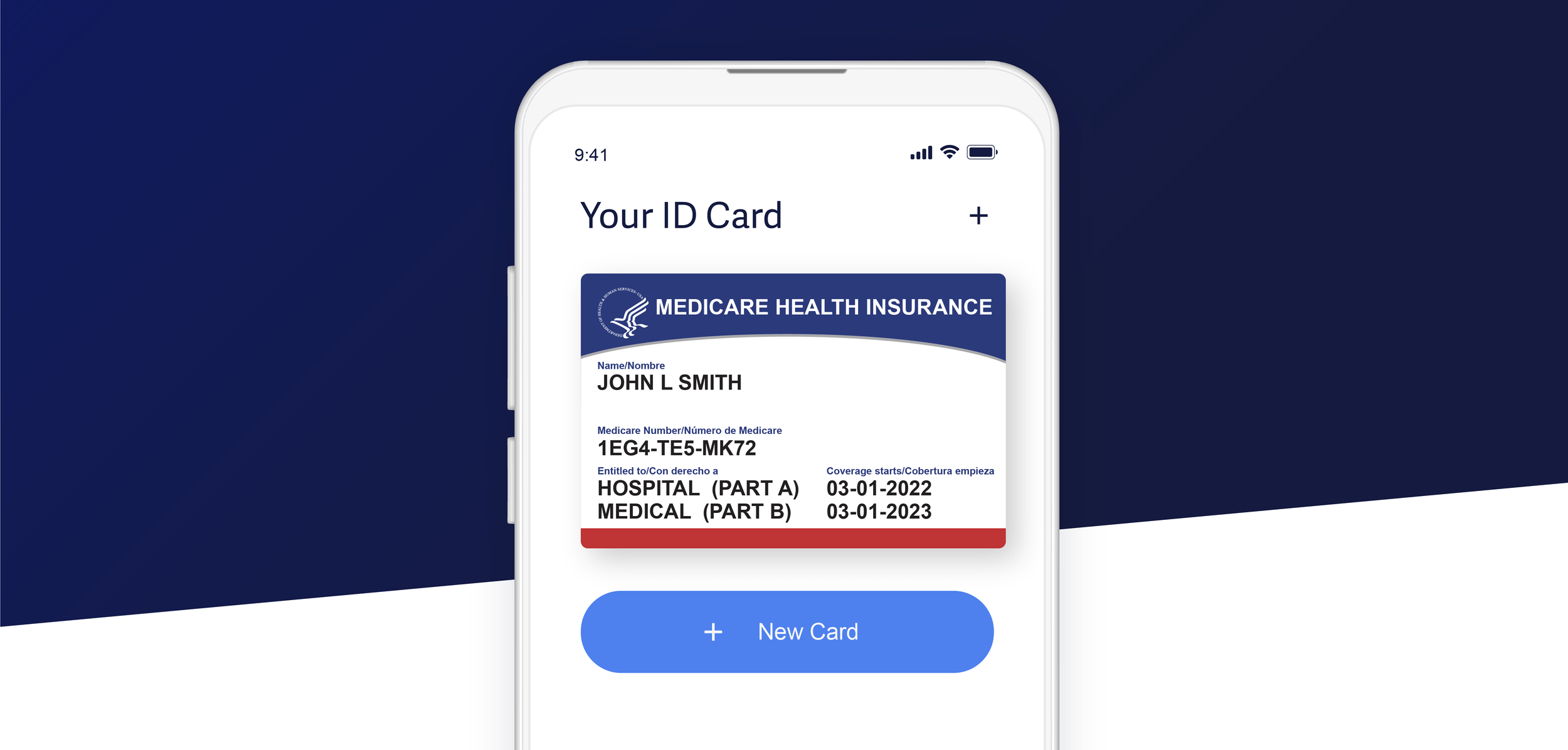
Despite what many people assume, Medicare doesn’t cover ALL healthcare-related expenses—leaving you on the hook for deductibles, copays, and a host of other services spanning vision, dental, and hearing aids. This is precisely where Medicare Advantage and Medigap policies come into play, filling in some of the gaps. In this post, we’ll help you decide which of these programs is best-suited for you.
Key Takeaways
- Original Medicare leaves gaps with respect to deductibles, copays, and services (e.g., vision, dental, and hearing) with Medigap and Medicare Advantage filling them differently; you enroll in one or the other, never both.
- Medigap works alongside Original Medicare to cover out-of-pocket costs and provides nationwide access to any provider that accepts Medicare, requires no referrals, and uses standardized lettered plans (Plan G is most popular).
- Medicare Advantage replaces Original Medicare with a bundled private plan, often adding vision, dental, hearing, and drug coverage and capping out-of-pocket costs ($9,250 in-network in 2026) but limiting you to a network.
- The cost trade-off is real here; Medigap charges higher premiums but covers most costs in a predictable way; two-thirds of Medicare Advantage enrollees pay nothing beyond Part B but face copays and variable costs.
- Switching plans is tightly windowed; you can change only during set enrollment periods, with insurers able to use underwriting to deny coverage or raise premiums after six-month open enrollment for Medigap.
Understanding the four parts of Medicare
Before we delve into Medicare Advantage and Medigap details, it’s helpful to have at least a broad understanding of how Medicare works. The Medicare program consists of four distinct parts—A, B, C, and D—each covering different types of healthcare services.
Medicare Parts A & B
Known as “Original Medicare,” Parts A and B mean the government pays healthcare providers directly for covered services. While Part A includes inpatient care in hospitals, skilled nursing facilities, hospice, and limited home healthcare services, Part B covers outpatient medical services and supplies needed to diagnose or treat health conditions (e.g., doctor visits, preventive care, durable medical equipment, and ambulance services). Almost all physicians and hospitals in the United States accept Original Medicare.
Medicare Part C (Medicare Advantage)
Medicare Part C, also known as Medicare Advantage, is an alternative to Original Medicare. These bundled plans are offered by private companies approved by Medicare, most including all Parts A and B benefits and often adding extra services such as vision, dental, hearing, prescription drugs, and transportation to doctors’ appointments—all of which aren’t covered by Original Medicare. We’ll explore these types of plans in more detail shortly.
Medicare Part D
Administered by Medicare-approved private insurance companies, Medicare Part D helps cover the cost of prescription drugs—both brand-name and generic. You can purchase Part D as a standalone plan or as part of many Medicare Advantage plans.
What is Medicare Supplement insurance?
Medicare Supplement plans (i.e., Medigap policies) help pay many out-of-pocket costs not covered by Original Medicare such as copayments, coinsurance, and deductibles. You must first be enrolled in Original Medicare to purchase a Medigap policy.
Watch out
Medigap’s guaranteed-issue window is a one-time, 6-month deal
When your Medicare Part B coverage begins, you have a 6-month window to enroll in a Medigap policy without medical underwriting. During this window:
- Insurers cannot deny you coverage based on pre-existing conditions
- Insurers cannot charge you higher premiums for health history
- You get the standard rate for the plan you choose
After the window closes, the protection ends in most states. Insurers can underwrite your application, charge you more, or refuse you outright based on pre-existing conditions. A diabetes or heart-condition diagnosis at age 67, for example, could lock you out of supplemental coverage at a reasonable price — permanently.
A few exceptions worth knowing:
- State-specific protections. A handful of states (including New York) offer additional Medigap protections year-round. Confirm your state’s rules.
- The 12-month trial right. If you join Medicare Advantage for the very first time at age 65, you have 12 months to switch back to Original Medicare with a guaranteed right to re-enroll in a Medigap policy.
The takeaway: if you’re considering Medigap at all, evaluate it during your initial 6-month window. The decision is far cheaper to make then than later.
Since the federal government mandates Medigap policy standardization, all insurers must offer plans from a list of about ten standardized options (each identified by a letter: A, B, C, D, F, G, K, L, M, and N). Note that Plans C and F are no longer available to new Medicare beneficiaries. A Medigap plan with a specific letter provides identical benefits regardless of the insurance company or location (though prices may vary) except in Massachusetts, Minnesota, and Wisconsin—which have their own standardization rules.
What are Medicare Advantage plans?
Medicare Advantage plans are "bundled" or "all-in-one" plans offering an alternative to Original Medicare (Parts A and B) and often include Part D (prescription drug coverage). You must be enrolled in Original Medicare to qualify for a Medicare Advantage plan (just like with Medigap) and live within the service area of the Medicare Advantage plan you wish to join as plans aren’t available everywhere. Each plan is licensed by its state and approved by Medicare only for specific service areas or designated regions. Private companies pre-approved by Medicare—such as UnitedHealthcare, CVS Health, and Humana—offer Medicare Advantage plans.
Most plans function similarly to private health insurance, operating as either a health maintenance organization (HMO) or preferred provider organization (PPO). HMOs require you to see doctors and providers within the plan’s network and service area—usually at a lower cost—while PPOs allow members to access out-of-network care (typically at a higher cost). If you join a Medicare Advantage Plan, you’ll still have Medicare; most of your Part A and Part B coverage, however, is provided via your Medicare Advantage Plan instead of Original Medicare in this case.
What are the main differences between Medicare Advantage and Medigap plans?
The primary differences between these plans center on how they provide coverage and plan flexibility. Medigap plans work alongside Original Medicare (Parts A and B) to help cover out-of-pocket costs (e.g., deductibles, coinsurance, and copayments) and offer nationwide coverage allowing you to see any provider that accepts Medicare. In contrast, Medicare Advantage plans (Part C) are offered by private insurers and serve as an alternative to Original Medicare. These plans often bundle additional benefits—like vision, dental, and prescription drug coverage—but usually require members to use a network of providers within a specified service area. While Medigap gives you more flexibility in choosing doctors, Medicare Advantage plans come with more restrictions on provider choice and service areas (though perhaps with lower premiums and extra benefits).
At a glance
Medicare Advantage vs. Medigap: the side-by-side
The two paths solve different problems. Here’s how they compare on the dimensions that matter most.
| Medicare Advantage (Part C) | Medigap (Supplement) | |
|---|---|---|
| What it is | An alternative to Original Medicare — a bundled plan from a private insurer | A supplement to Original Medicare — fills the out-of-pocket gaps |
| Provider network | Usually restricted to a network (HMO/PPO); service-area limited | Any provider that accepts Medicare, nationwide |
| Out-of-pocket maximum | Yes — $9,250 in-network / $13,900 combined (2026) | No annual cap, but Medigap covers most of those gaps |
| Extra benefits | Often includes vision, dental, hearing, prescription drugs, fitness, transportation | None — vision, dental, and Part D need separate coverage |
| Typical monthly premium | Often $0 extra (about 2/3 of enrollees pay nothing beyond Part B) | $100–$600+/month (varies by plan letter, insurer, location) |
| Best for | Healthier enrollees who want bundled extras and a low premium | Those who want maximum provider choice, travel often, or want predictable out-of-pocket protection |
Top reasons to purchase a Medigap policy
There are several good reasons to buy a Medicare supplement policy, including…
Reduced out-of-pocket costs
Original Medicare Part A includes a $1,736 deductible per in-hospital visit. If your stay exceeds 60 days, you’re required to pay a portion of daily expenses. Medigap plans can cover a portion (or sometimes all) of these costs—depending on the plan you select—and Part B has an annual deductible of $283, after which patients typically pay 20% of the Medicare-approved amount for most physician services, outpatient therapy, and durable medical equipment. The Medigap plan you choose determines your precise coverage.
Coverage for foreign travel
Another advantage of having a Medigap policy is coverage for travel abroad. While Original Medicare doesn’t cover medical care outside U.S. borders, some Medigap plans can help travelers in such situations. Note that each plan includes a separate deductible for global travel.
Extra hospital and skilled nursing facility benefits
While neither Medicare nor Medigap covers long-term care, Medigap does provide for extra time in skilled nursing facilities, hospital stays, or hospice care—benefits not offered by Original Medicare alone.
Guaranteed renewal
So long as you pay your premiums on time, your Medigap policy will renew without fail and cannot be canceled by your insurance provider regardless of your health status, claims history, or any new diagnoses.
No referral requirement
Unlike most Medicare Advantage plans, Medigap policies usually don’t require referrals to see specialists.
Nationwide flexibility
With a Medigap plan, you can visit any doctor or healthcare facility in the country that accepts Original Medicare. Medigap works alongside Original Medicare—which remains your primary insurer—meaning you’re not restricted by networks or provider lists. If the provider accepts Medicare, you’re covered.
Top reasons to purchase a Medicare Advantage policy
Medicare Advantage plans offer several attractive features including…
Broader benefits than Original Medicare
A key Medicare Advantage benefit is an expanded range of services going beyond what Original Medicare offers, including coverage for vision and dental care, hearing aids, fitness center memberships, home health support, in-home safety equipment installation, prescription drugs, and even transportation assistance for medical appointments.
Annual out-of-pocket maximums for protection
Each Medicare Advantage plan sets a yearly out-of-pocket maximum (i.e., the maximum out-of-pocket (MOOP) limit). Plans covering out-of-network providers usually have two separate limits: one for in-network care and another for the combined total of both in-network and out-of-network expenses. After you meet your MOOP—set at $9,250 for in-network and $13,900 for the combination in 2026—you’ll pay nothing for covered Part A or Part B services for the remainder of the year. Some plans may also apply these limits to extra benefits such as dental and vision. Unlike Medicare Advantage, Original Medicare doesn’t cap out-of-pocket expenses—making Medicare Advantage a valuable tool for budgeting, especially if you anticipate incurring significant healthcare costs.
Affordable monthly premiums
Most Medicare Advantage plans have low monthly premiums, and some offer premium reduction options that can lower the amount taken from Social Security payments to cover Part B costs.
Comprehensive, convenient coverage in one plan
With Medicare Advantage, you typically get hospital (Part A), medical (Part B), and prescription drug (Part D) coverage all in one plan: streamlining your benefits and simplifying your healthcare management, minimizing the need to juggle multiple policies.
What are typical Medicare Supplement plan costs?
Medigap plan premiums vary widely depending on factors such as your location, the specific plan selected, and the insurer. Insurance companies use three primary pricing methods to set these costs, as follows.
Community-rated premiums
In this case, everyone pays the same premium for a given plan regardless of age. Premiums can still rise over time but not due to policyholder age.
Issue-age rated premiums
These plans set your premium based on your age when you first buy the policy. While rates may rise in future years, they won’t increase just because you’re getting older.
Attained-age rated premiums
These plans base premiums on your current age, so your costs will naturally rise as you get older. It’s wise to understand how future rate increases might affect your budget since most Medigap policies use this method.
Popular Medigap plan options
Enrollment statistics highlight Plan G as the leading choice among Medigap enrollees, with Plans G, F, and N accounting for about 85% of sign-ups. In Ridgewood, New Jersey, for example, a 65-year-old non-smoking male might pay between $164 and $608 per month for Plan G coverage; a non-smoking female of the same age could see rates from $148 to $529 monthly. For Plan N, premiums for a 65-year-old non-smoking female in the same town currently range from $107 to $434 per month ($120 to $500 for a non-smoking male). Keep in mind that while these plans are indeed popular, the best option for you will depend on your unique needs and circumstances.
Average Medicare Advantage policy costs
It’s important to note that joining a Medicare Advantage plan does not remove your obligation to pay the monthly Medicare Part B premium, starting at $202.90 in 2026 and likely increasing based on your income level and how you file your taxes (individually or jointly).
Many enrollees pay no extra premium
The additional Medicare Advantage premium varies significantly by plan, with KFF data indicating that monthly premiums range from $0 to several hundred dollars (with the national average close to $14). About two-thirds (67%) of people enrolled in Medicare Advantage pay nothing beyond their Part B premium; 17% pay less than $50 each month; 9% pay $50 to $99; and 6% pay $100 or more.
Medicare Advantage costs vary by plan
Unlike with Medigap plans, Medicare Advantage costs (premiums, copays, deductibles, and coinsurance) aren’t standardized. What you pay depends on the insurer, the details of your chosen plan, and where you live.
Consider more than just the cost
When choosing a Medicare Advantage plan, don’t focus solely on premiums and costs. Medicare evaluates Advantage and Part D plans using a star rating system (from one to five stars), reflecting factors such as quality of care and customer satisfaction. Each plan receives an overall rating, and you can use Medicare’s plan finder tool to compare plans and help guide your decision.
Switching between (or within) Medigap and Medicare Advantage plans
Keep in mind you can’t just switch Medigap plans or change between them at any time and instead need to follow specific rules and timelines. Here’s a breakdown of each scenario…
Moving from one Medigap plan to another
If you purchase a Medigap policy during your 6-month open enrollment period and find it doesn’t meet your needs, you’re allowed to switch to a different Medigap policy within that same timeframe—after which you have a 30-day “free look period” to make a final decision. Should you want to switch Medigap policies after the 6-month open enrollment period but before the next enrollment window, you generally cannot change plans and may need to wait until the next open enrollment period (typically October 15 to December 7 each year). Keep in mind that when you change plans, the new insurance company can underwrite your application—possibly resulting in coverage denial or higher premiums.
Switching from Medigap to a Medicare Advantage plan
You can switch from Medigap to Medicare Advantage during the Medicare annual enrollment period (AEP), typically from October 15 to December 7 each year. You may also switch if you qualify for a special enrollment period (SEP) due to specific life events such as losing employer coverage. Note that if you’re switching to Medicare Advantage for the very first time, you have a 12-month "trial right” during which you can switch back to Original Medicare with a guaranteed right to re-enroll in your previous Medigap policy.
Moving from one Medicare Advantage plan to another
While you typically need to keep your Medicare Advantage Plan for the entire calendar year starting on the date coverage begins, if you experience a specific life event (e.g., moving or losing other insurance coverage) you may qualify for a special enrollment period to join, switch, or drop your plan. Otherwise, you can make your move during the annual enrollment period (October 15 to December 7) or Medicare Advantage open enrollment (January 1 to March 31).
Switching from Medicare Advantage to a Medigap plan
If you want to go back to Original Medicare with a Medigap policy, you can but can only do so during the Medicare Advantage open enrollment period (January 1 to March 31), annual enrollment period (October 15 to December 7), or during special enrollment periods: dropping your Medicare Advantage plan and returning to Original Medicare and then applying for a Medigap policy. Note that if you’re switching from Medicare Advantage for the very first time and within your first 12 months of Medicare enrollment, you can switch back to Original Medicare and a Medigap policy at any time during that same window. What’s more, an insurance company cannot deny you Medigap coverage.
Key facts to know about Medicare Advantage and Medigap
A few key points to keep in mind while researching your options are that both Medicare Advantage and Medigap policies provide coverage for a single individual. So if you’re married, your spouse will need his or her own separate policy. Furthermore, you cannot be enrolled in both a Medigap and Medicare Advantage plan at the same time; it’s one or the other. If you want to switch between these options, you must generally do so during designated enrollment periods.
How to choose between Medicare Advantage and Medigap
The Framework
Five factors to weigh before choosing
- Compare total expected costs. Look beyond just the premium — Medicare Advantage often has lower premiums but higher out-of-pocket exposure when you need care. Medigap has higher premiums but more predictable annual costs.
- Evaluate provider network flexibility. Medicare Advantage usually restricts you to a network within a service area. Medigap lets you see any provider that accepts Medicare, nationwide.
- Identify the extra benefits you actually need. Medicare Advantage often bundles vision, dental, hearing, prescription drugs, and fitness. Medigap doesn’t include these — you’d need separate coverage.
- Confirm provider availability where you live and travel. In rural areas or for frequent travelers, Medicare Advantage networks may be too limited. Medigap is accepted wherever Original Medicare is.
- Match to your health profile and enrollment timing. If you have chronic conditions or expect frequent care, compare specialist and hospital coverage carefully. And remember: switching between plans is restricted to specific windows, and Medigap may medically underwrite you after your initial 6-month window.
In sum: Medicare Advantage vs. Medigap
Overall, there is no right or wrong choice here. Both options work well even if decisions about which program best suits you are perhaps not so clear-cut—which is precisely why we recommend speaking with your financial advisor or a Medicare expert, accordingly. Your Medicare choice is just one of many decisions to line up before you retire — our pre-retiree's planning guide walks through the rest.
Have questions about Medicare? Schedule a FREE discovery call with one of our CFP® professionals to get them answered.
Reviewed for accuracy
Paul Muller, AEP®, CFP®
Founder and Relationship Manager at Vision Retirement, with 30+ years in the financial industry.
Read full bio →FAQs
-
Original Medicare combined with a Medigap policy is the way to go here, allowing you to see any doctor or specialist nationwide who accepts Medicare and without network restrictions.
-
Medicare Advantage plans usually have lower monthly premiums but require copays/coinsurance and have annual out-of-pocket limits. Medigap plans typically have higher premiums but cover most out-of-pocket costs under Original Medicare, resulting in lower, more predictable expenses for covered services.
-
This ultimately varies by plan, but in general, Medicare Advantage requires you to use healthcare providers within the network and service area for non-emergency care. While some plans allow you to see out-of-network providers for non-emergencies, you’ll usually pay more to do so.
-
You can typically keep your Medigap plan if you move to a different state, even if that exact plan is not available for sale there. Reach out to your Medigap provider to verify how coverage would work in your new location.



Disclosures:
This document is a summary only and is not intended to provide specific advice or recommendations for any individual or business.